
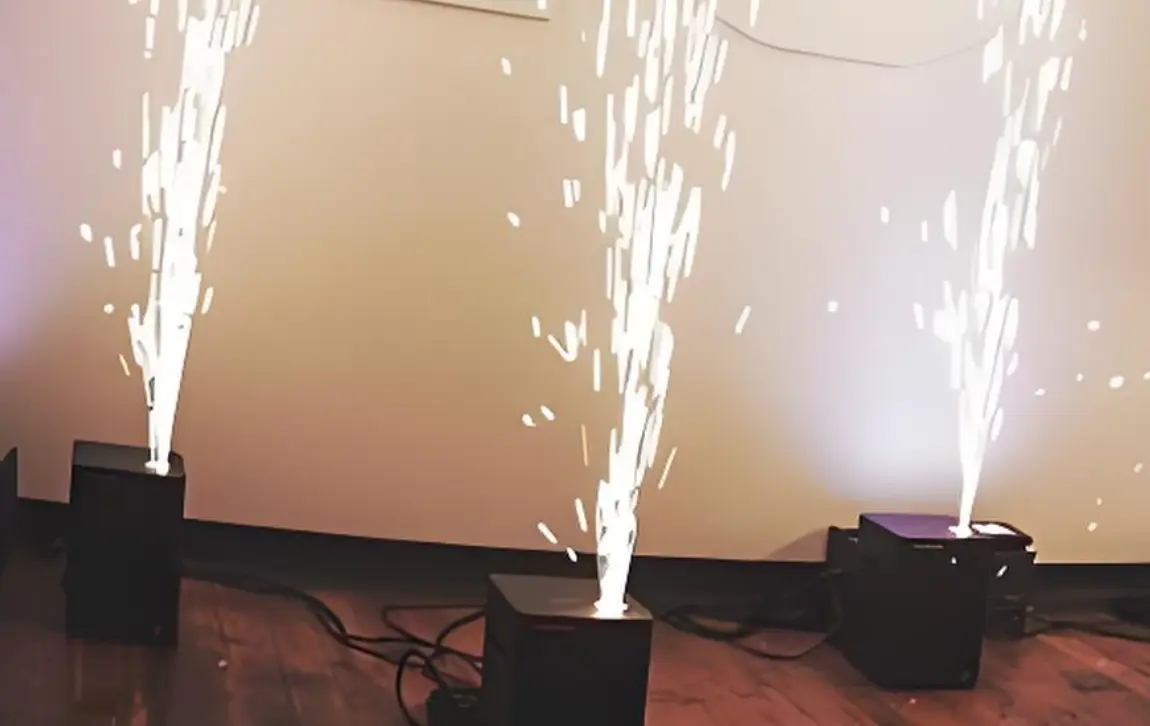
Before every event, I always feel a bit uneasy until I know the spark machine will run smoothly. A quick, structured test helps me avoid surprises when the show begins.
To safely test a spark machine before an event, operators should warm up the machine, inspect powder flow, test ignition response, verify DMX or manual control, and confirm spark height and consistency through several controlled bursts.
A good test gives the entire team more confidence and keeps the event running without technical delays.
What Steps Should I Follow to Safely Test My Spark Machine Before an Event?
Before each show, I follow a simple checklist to make sure nothing is overlooked. It keeps the process predictable and reduces failures on stage.
To test a spark machine safely, operators should prepare a clear test area, verify power input, load approved powder, run the pre-heat cycle, test manual firing, and confirm DMX communication before the audience arrives.
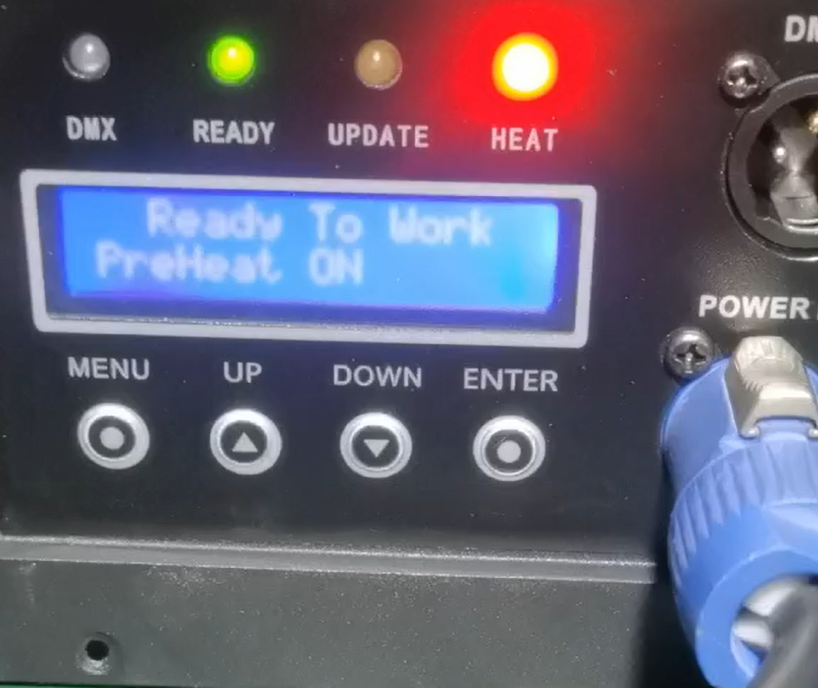
Safe Testing Area Preparation
A clean and open space makes the testing process easier. I avoid testing near curtains, cables, or decorations to reduce risks.
Key Pre-Test Steps
| Step | What to Do | Why It Matters |
|---|---|---|
| 1 | Set machine on stable surface1 | Ensures balanced firing |
| 2 | Confirm voltage | Avoids electrical failure |
| 3 | Load correct powder2 | Ensures expected spark height |
| 4 | Check signal cables | Prevents control delay |
Initial Power and Readiness Check
Once the machine powers on, I look for normal fan activity and “ready” indicators. Any abnormal noise or heating delay usually means the machine needs attention before continuing.
First Manual Test Burst
A short manual burst helps confirm the basic firing system is working. If the sparks are too low or uneven, I investigate the nozzle or powder feed immediately.
How Do I Know If My Spark Machine’s Ignition and Heating System Are Working Correctly?
Ignition and heating are the heart of the spark effect. When either one is unstable, the machine becomes unreliable.
To verify ignition and heating, operators should observe temperature indicators, wait for stable pre-heat, fire several short bursts, and confirm that ignition is consistent and spark height stays within normal range.
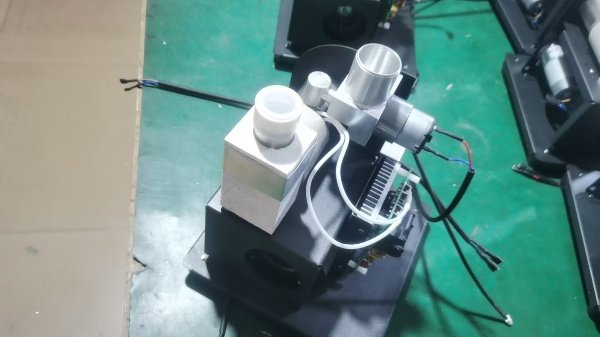
Heating System Indicators
A healthy machine reaches the required temperature within a normal timeframe. I pay attention to delays because they often signal a weakening heating element.
Ignition Components to Observe
| Component | What to Check | Expected Result |
|---|---|---|
| Heating element3 | Stable warm-up | Ready status |
| Ignition chamber4 | Clean interior | Smooth ignition |
| Nozzle | Free of residue | Even spark flow |
Multi-Burst Stability Test
I normally fire three or four short bursts. This makes it easier to spot weak ignition or unstable temperature. When one burst looks weaker, I check for residue or internal blockage.
Should I Run a Powder Test on My Spark Machine Before Every Show?
Powder conditions affect spark height more than many operators realize. I learned this early on after a show where damp powder caused a weak and disappointing effect.
A powder test before every show ensures proper powder flow, confirms hopper cleanliness, checks fan performance, and verifies that the spark height is consistent with event requirements.
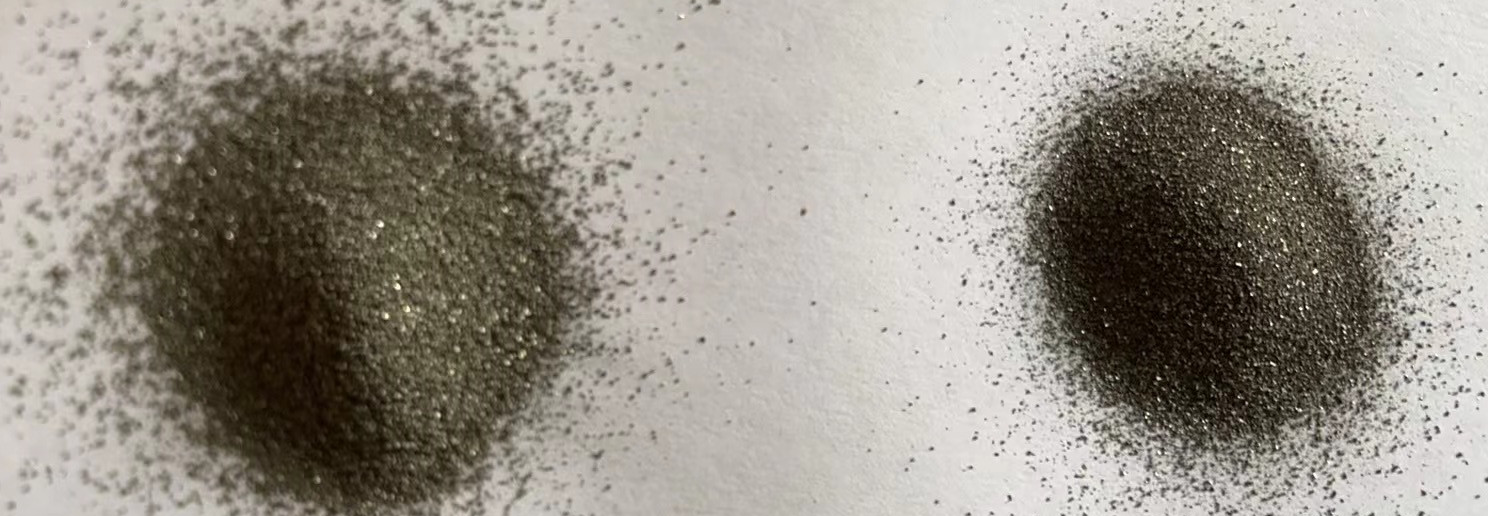
Why a Powder Test Matters
A simple test reveals whether the powder is dry, clumped, or feeding unevenly. This prevents most spark output problems during a show.
Powder Quality Table5
| Powder Condition | Result During Test | What I Usually Do |
|---|---|---|
| Dry and fine | Strong sparks | Use normally |
| Slightly damp | Weak sparks | Replace powder |
| Clumpy | No sparks | Clean hopper |
Running a Quick Powder Test
I only load a small amount for this test. If the spark height6 or shape looks wrong, the problem is usually moisture in the powder or residue in the hopper.
Fan Performance Check
If the fan sounds weak, I avoid running the machine on stage until it is inspected. The fan directly affects spark height and projection.
How Can I Check for Common Spark Machine Issues Before an Event Starts?
Most common problems show up during testing, not during the actual show. This is why I always check the machine twice: once during setup and again right before the event begins.
To detect common issues, operators should check power stability, confirm DMX signal, inspect the nozzle, test powder flow, and fire several short bursts to verify stable ignition and fan performance.
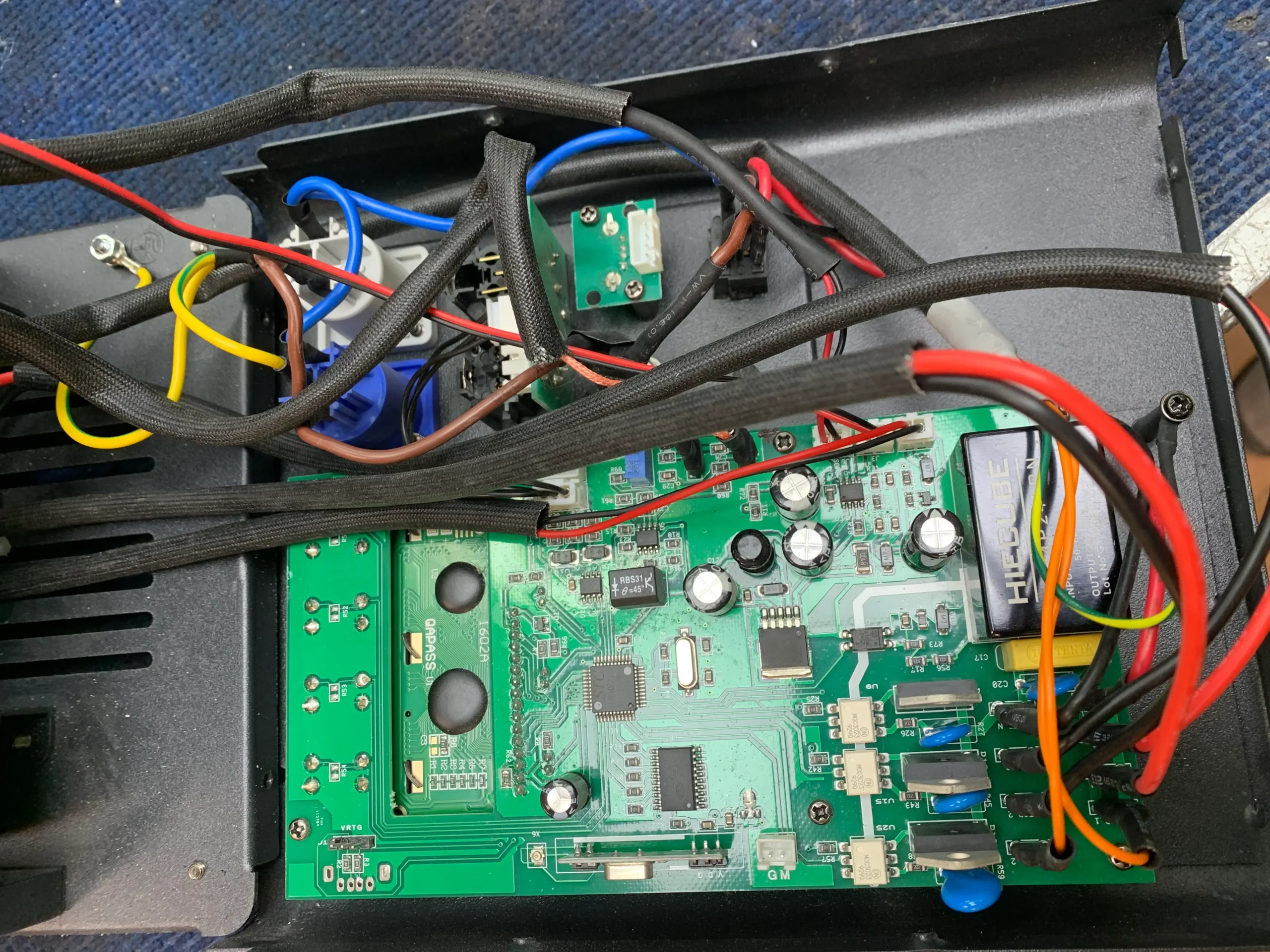
Common Issues to Look For
Power Supply and Cables7
Loose cables, unstable voltage, or low-quality extension cords often cause sudden shutdowns.
DMX or Remote Control
A quick response test helps confirm correct channels and communication.
Nozzle Cleanliness8
Small residue buildup can quickly lead to weak sparks or blocked sparks.
Troubleshooting Quick Table
| Issue | What You Might See | What I Usually Check |
|---|---|---|
| Weak sparks | Short height | Powder moisture or fan |
| No sparks | Powder feeds only | Ignition chamber |
| Slow response | Delay after trigger | DMX or cable |
Final Confidence Test
Before the audience enters, I fire one last burst to confirm everything is stable. This final step has prevented many on-stage surprises.
Conclusion
A careful testing routine protects the show and ensures reliable spark performance every time.
-
Understanding the significance of a stable surface can enhance your testing accuracy and safety. ↩
-
Exploring this topic can help you ensure optimal performance and prevent failures during tests. ↩
-
Understanding the signs of a failing heating element can help you maintain your heating system effectively. ↩
-
Cleaning the ignition chamber is crucial for smooth ignition; learn the best practices to ensure your system runs efficiently. ↩
-
Understanding the Powder Quality Table can help you ensure optimal performance and safety during shows. ↩
-
Exploring the impact of spark height can enhance your knowledge of pyrotechnics and improve show quality. ↩
-
Understanding power supply issues can help prevent sudden shutdowns and ensure reliable performance. ↩
-
Maintaining nozzle cleanliness is crucial for optimal performance and avoiding weak sparks. ↩