
When I first started using cold spark machines, the name made me assume the sparks were literally “cold.” Later I learned that while they’re much safer than real fireworks, they still involve heat — just controlled heat.
Cold spark machines heat their internal chamber to around 600–700°C, but the sparks cool instantly, dropping to about 30–50°C within a short distance, making them safe for indoor events when used properly.
Are cold spark machines actually hot to touch?
I still remember the first time a client nervously asked, “Can I touch the sparks?” It reminded me how confusing the term “cold spark” can be.
Cold spark machines are not completely cold, but the sparks feel warm rather than burning hot. The falling particles cool almost instantly and can be briefly touched without causing burns.
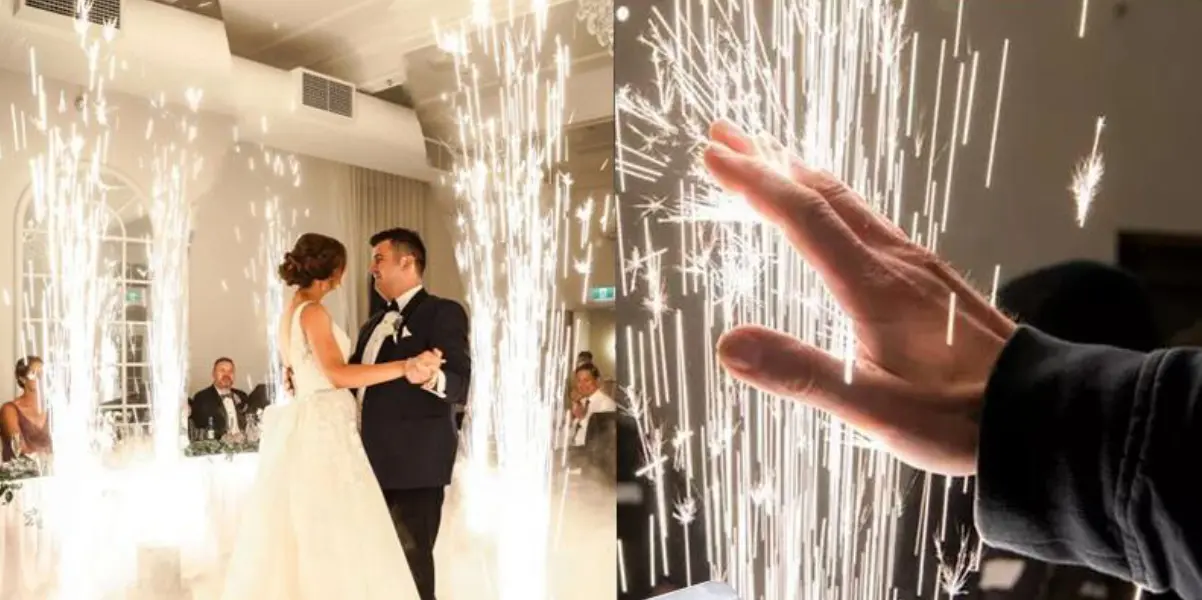
What stays cool and what gets hot?
| Component | Temperature Range | Safe to Touch? |
|---|---|---|
| Spark stream | 30–50°C after cooling | Yes (brief contact) |
| Machine exterior casing | 40–50°C | Generally safe |
| Internal heating chamber1 | 600–700°C | No (fully enclosed) |
Why the sparks feel “cool”
Instant Air Cooling2
The metal particles lose heat rapidly once ejected.
Forced Airflow
The machine’s fan helps cool the sparks as they rise.
How hot do cold spark machines really get?
People often ask me if the sparks can ignite clothing or decorations. Fortunately, the temperatures are tightly controlled.
Cold spark machines heat the internal alloy powder to around 600–700°C, but the visible sparks cool down to only 30–50°C as they fall, making them dramatically cooler than real pyrotechnics.
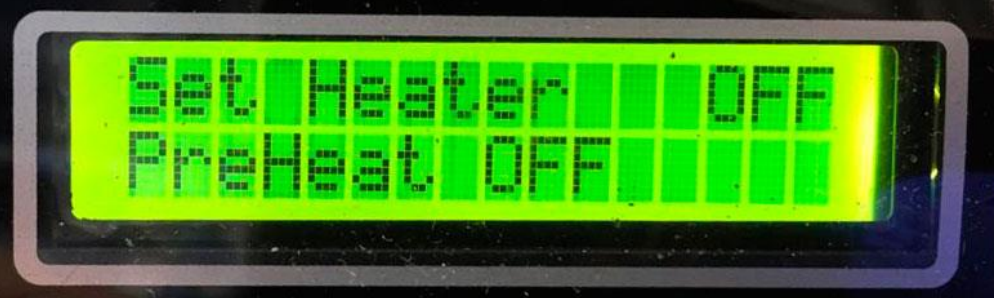
Temperature Breakdown
| Part of Machine | Typical Temperature | Notes |
|---|---|---|
| Heating chamber3 | 600–700°C | Enclosed, never exposed to users |
| Spark particles (at nozzle) | 60–80°C | Cools immediately in the air |
| Spark particles (mid-air) | 40–50°C | Too cool to ignite materials |
| Exterior housing | 40–50°C | Slightly warm during long operation |
Why high internal heat is safe4
The heating system is sealed and monitored by sensors, so the user never touches any high-temperature components.
Can cold spark machines burn someone?
I’ve stood very close to cold spark machines during tests, and even let the sparks fall on my arm once — carefully. They felt warm, not painful.
Cold spark machines typically do not burn people under normal use. The sparks cool so quickly that brief contact is usually harmless, though direct exposure to the nozzle area should still be avoided.

When burns can happen
Touching the nozzle
The metal nozzle can get hot after long operation.
Prolonged skin contact5
Holding your hand directly in the spark stream for several seconds may cause discomfort.
Using wrong powder6
Non-certified powders may produce hotter sparks.
Safety Table
| Risk Level | Scenario | Recommendation |
|---|---|---|
| Low | Sparks falling briefly on skin | Safe under normal use |
| Medium | Prolonged exposure to spark stream | Avoid direct contact |
| High | Touching nozzle after long show | Allow cool-down time |
Do cold spark machines stay cool during shows?
During long shows, I often check the front panel out of habit. Even after extended use, the casing stays warm but never dangerously hot.
Cold spark machines maintain safe exterior temperatures during operation thanks to insulation, airflow systems, and sensors. Only the internal chamber reaches high heat, and that part is never exposed.
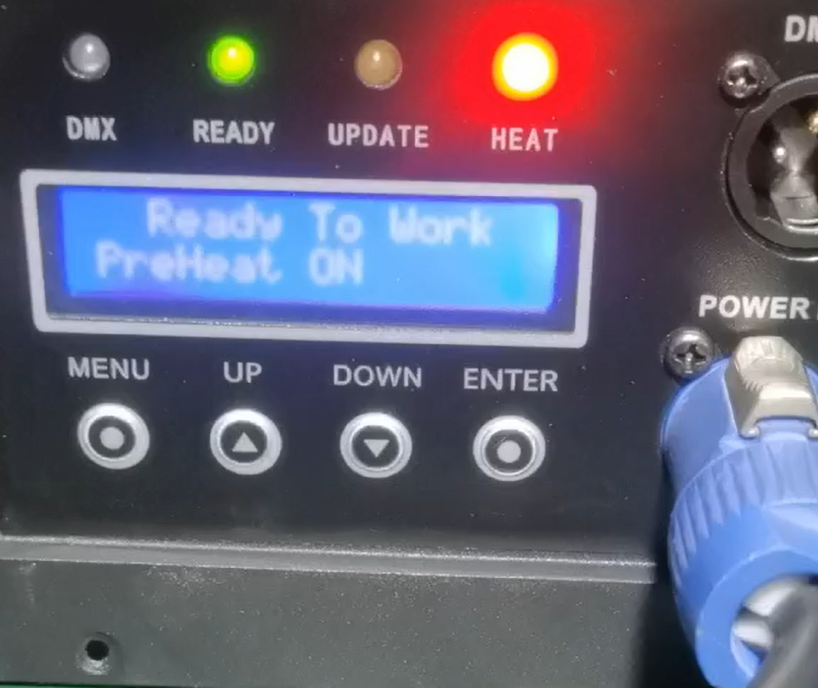
Why they stay cool
Built-in Insulation
Heat stays inside the chamber, away from the surface.
Cooling Fans7
Air is constantly circulating inside the unit.
Temperature Sensors8
The machine shuts off automatically if heat rises too high.
Show-Operation Temperature Table
| Component | Typical After 20-Min Run | Safe for Indoor Events? |
|---|---|---|
| Exterior body | ~45°C | Yes |
| Internal chamber | ~600°C | Enclosed |
| Sparks in the air | ~40°C | Yes |
Conclusion
Cold spark machines do generate heat — but in a safe, controlled way. The sparks cool almost instantly, the housing stays warm but manageable, and multiple sensors prevent overheating. With proper operation, they remain one of the safest special-effects options for indoor and outdoor events.
-
Understanding the temperature range of an internal heating chamber is crucial for safety and operational efficiency. ↩
-
Exploring instant air cooling can provide insights into effective cooling methods and their applications in various industries. ↩
-
Understanding the role of a heating chamber can enhance your knowledge of machine safety and efficiency. ↩
-
Exploring this topic will provide insights into safety measures that protect users from high temperatures. ↩
-
Understanding the effects of prolonged skin contact with sparks can help you take necessary precautions to avoid burns. ↩
-
Exploring the dangers of using the wrong powder can prevent accidents and ensure safe operation. ↩
-
Explore how cooling fans enhance appliance efficiency and safety, ensuring optimal performance. ↩
-
Learn about the critical role of temperature sensors in preventing overheating and ensuring safety. ↩