
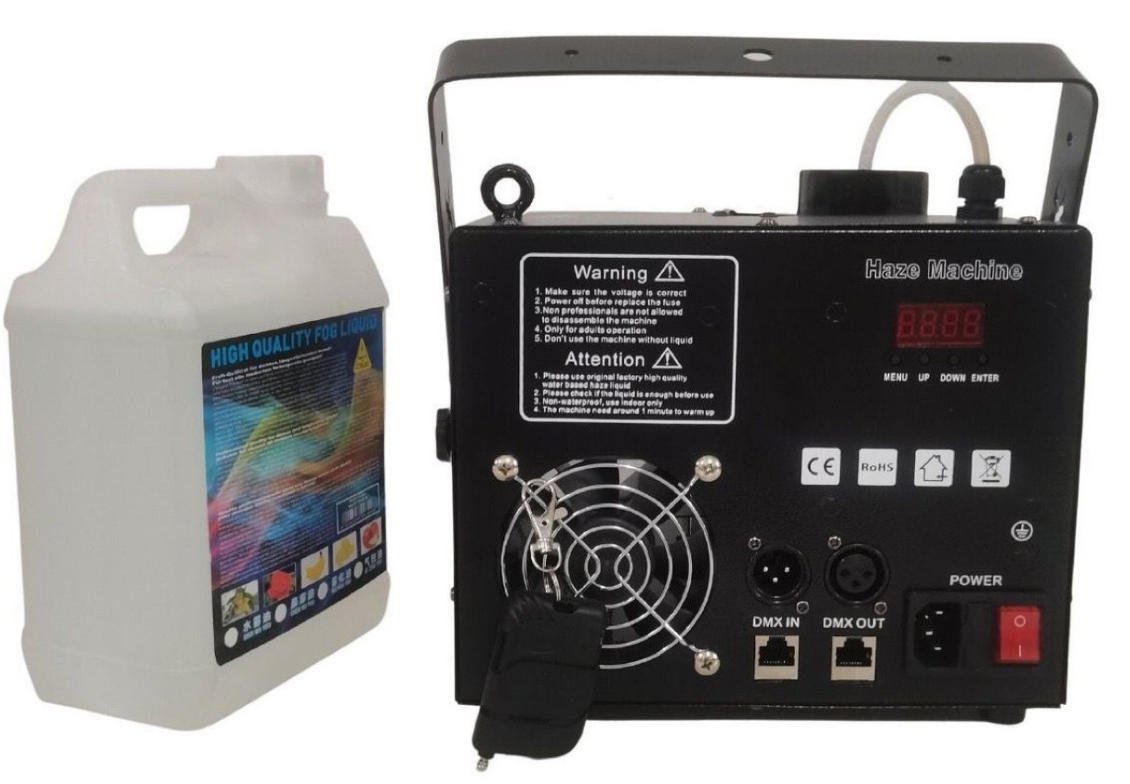
I still remember the first time I had to choose haze fluid for a real show. The venue was ready, lights were programmed, but the beams just didn’t “sit” right in the air. The problem wasn’t the lights. It was the fluid.
Water-based haze fluid is better for most indoor venues because it is cleaner, safer for equipment, and widely accepted by venues, while oil-based haze fluid offers longer hang time and smoother beams but requires stricter control, maintenance, and venue approval.
If you are a buyer, distributor, or technician, this choice affects more than just looks. It impacts cleaning time, client complaints, fire alarms, and even warranty issues. That’s why it’s worth slowing down and choosing carefully.
Which is better, water-based or oil-based?
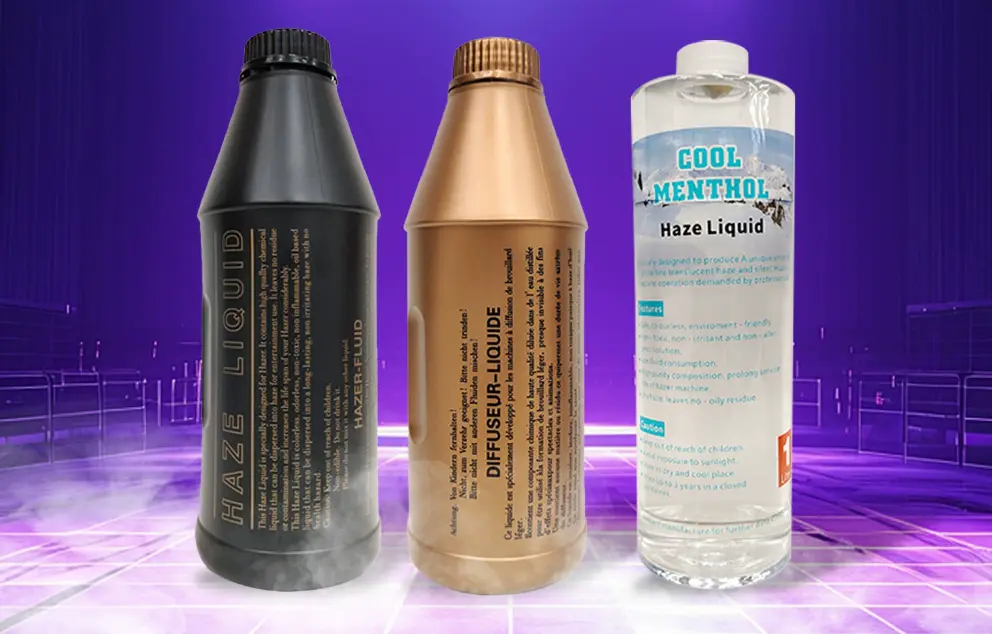
I get this question almost every time I talk with a new distributor or rental company. Most people want a simple answer, but in real use, “better” depends on the space, the schedule, and how picky the venue is.
Water-based haze is generally better for small to mid-size indoor venues because it produces low-residue haze, clears predictably, and works with most modern haze machines, while oil-based haze excels in large or outdoor spaces where long hang time is critical.
How I compare them in real projects
When I test haze fluids, I don’t just look at beams. I look at the whole day.
Setup and acceptance
In hotels, theaters, and conference halls, water-based haze1 passes approval faster. I’ve had venues reject oil-based haze2 before load-in even started. That alone can decide the choice.
Visual result
Oil-based haze gives a very smooth, “milky” beam look. Water-based haze can look slightly patchy at first, but with fans and correct placement, it evens out well.
Practical comparison table
| Aspect | Water-based haze | Oil-based haze |
|---|---|---|
| Hang time | Short to medium | Very long |
| Residue | Very low | Noticeable over time |
| Venue approval | Easy | Often restricted |
| Cleaning work | Minimal | Frequent |
| Machine type | Heater-based | Compressor-based |
From my experience, if you don’t need extreme hang time, water-based haze usually wins.
Is Oil-Based Haze Better Than Water-Based?

I’ve used oil-based haze on large stages where water-based haze3 just disappeared too fast. In those moments, oil-based haze felt like magic. But it always came with conditions.
Oil-based haze is not universally better than water-based haze; it is better only when long hang time and ultra-smooth beams are required and when the venue, equipment, and maintenance plan can support it.
Where oil-based haze shines
In large halls or outdoor stages, oil-based haze4 hangs longer. I’ve seen it stay visible for hours with minimal output. That saves fluid and keeps beams consistent.
Where problems start
I’ve also dealt with the downside.
Cleaning reality
After a few days of oil-based haze, lenses feel greasy. Truss attracts dust. Floors get slippery. This is not theory. I’ve wiped it myself at 2 a.m.
Venue complaints
Some venues blame oil haze for dirty HVAC systems. Whether fair or not, the rule is simple: once banned, it’s banned.
Maintenance impact table
| Area | Water-based impact | Oil-based impact |
|---|---|---|
| Lights | Clean | Needs regular wipe |
| Cameras | Safe | Lens fog risk |
| Floors | Dry | Slippery film |
| Filters | Light dust | Oily buildup |
Oil-based haze is powerful, but it demands discipline.
Does water-based fog leave residue?
This is one of the biggest fears I hear from buyers, especially those doing permanent installs.
Water-based haze fluid leaves minimal residue when used correctly, and any buildup is usually light glycol dust rather than oily film, making it far easier to clean and manage than oil-based haze residue.
What I see after repeated use
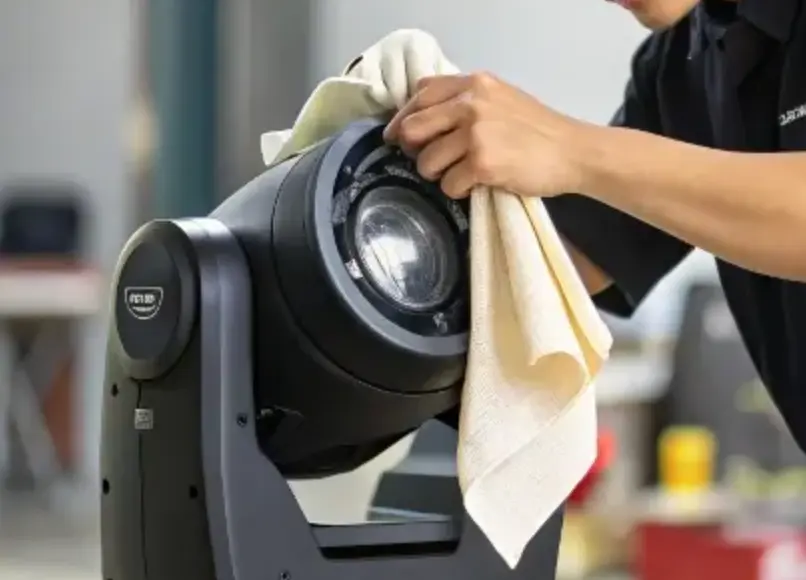
In theaters and studios, water-based haze5 leaves a faint dry layer over time. It’s visible only if you look closely. A microfiber cloth removes it easily.
Common causes of residue complaints6
Most complaints I investigate come from mistakes:
- Wrong fluid for the machine
- Over-output in small rooms
- Poor ventilation
Residue comparison table
| Condition | Water-based haze | Oil-based haze |
|---|---|---|
| Short use | Almost none | Light film |
| Long use | Dry dust | Oily layer |
| Cleaning time | Minutes | Hours |
| Risk to gear | Low | Medium to high |
From what I’ve seen, water-based haze is far more forgiving.
Is haze fluid the same as smoke fluid?
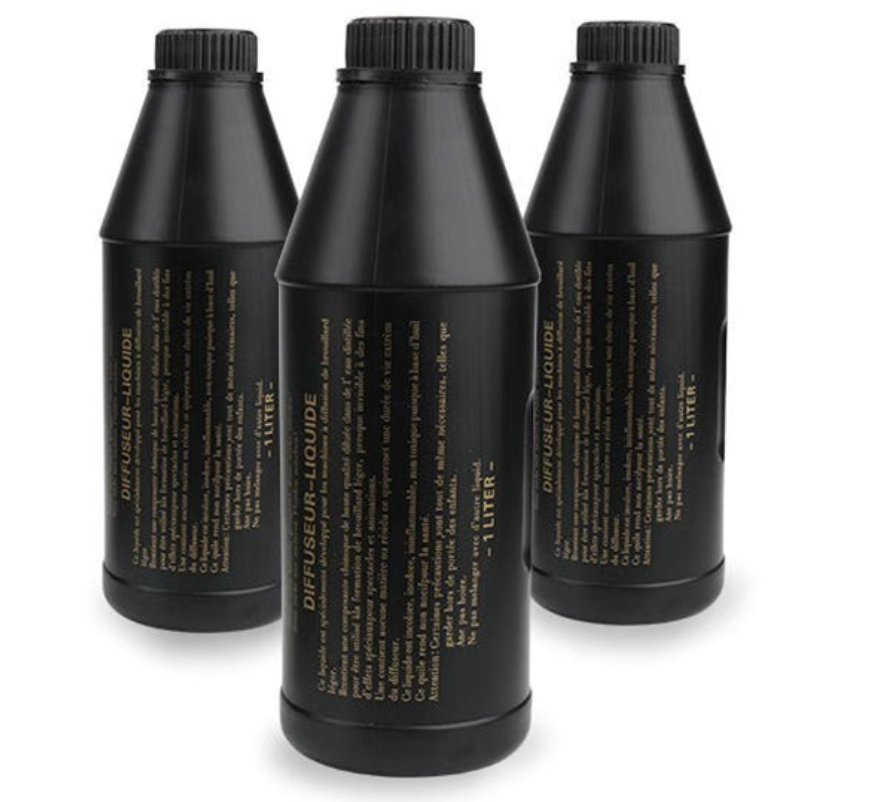
I used to think haze and smoke were interchangeable. After ruining a rehearsal with thick clouds, I learned the difference the hard way.
Haze fluid is not the same as smoke fluid; haze fluid is designed to create fine, even particles that stay suspended for beam visibility, while smoke fluid creates dense clouds meant for bursts and dramatic effects.
How I explain it to clients
Smoke is an effect. Haze is an environment.
- Smoke = visible clouds, fast impact
- Haze = invisible support for lighting
Why the wrong fluid causes problems
I’ve seen haze machines clogged because someone poured smoke fluid inside. I’ve also seen fire alarms triggered because smoke was mistaken for haze.
Fluid purpose table
| Fluid type | Particle size | Visual effect | Use case |
|---|---|---|---|
| Haze fluid7 | Very fine | Even beams | Lighting support |
| Smoke fluid8 | Large | Thick clouds | FX moments |
| Fog fluid | Medium | Rolling fog | Floor or bursts |
Matching fluid to machine is not optional. It’s basic survival for your equipment.
Conclusion
I choose water-based haze for most indoor jobs and oil-based only when the show truly needs it. The best choice balances look, safety, cleaning, and venue rules.
-
Explore the benefits of water-based haze for indoor venues, including low residue and quick approval. ↩
-
Learn about oil-based haze's long hang time and its suitability for large outdoor spaces. ↩
-
Learn about the differences between water-based and oil-based haze, including maintenance and performance aspects. ↩
-
Explore the benefits of oil-based haze for stage lighting, including its long hang time and smooth beam quality. ↩
-
Explore the advantages of water-based haze, including its low residue and easy cleaning, making it ideal for theatrical use. ↩
-
Understanding the causes of residue complaints can help you avoid issues and ensure optimal performance of haze machines. ↩
-
Understanding haze fluid is crucial for achieving the right lighting effects in performances. ↩
-
Learn about smoke fluid to enhance dramatic effects in your events and avoid common mistakes. ↩