
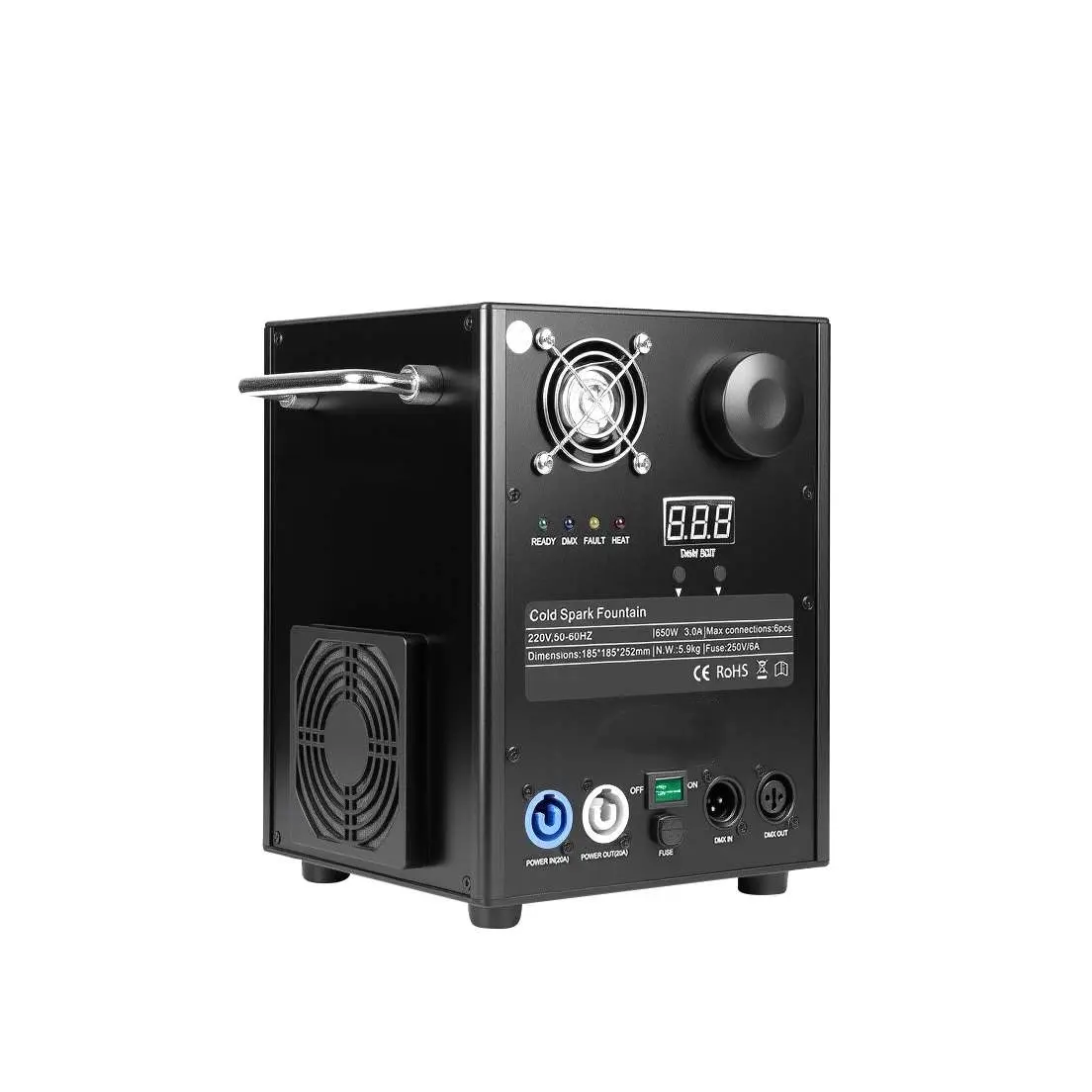
Having a spark machine that keeps heating continuously can be frustrating, especially when you're preparing for a big event. I’ve faced this issue before, and knowing how to troubleshoot it quickly is key to getting the machine back to normal.
To fix spark machines that keep heating continuously, you should start by checking the thermostat or temperature sensor, inspect the control circuit, reset the machine, and check for blockages or malfunctioning components that may be causing the overheating.
It’s important to follow a systematic approach to ensure you can get the machine working again without further damage or delay.
Why Does My Spark Machine Keep Heating Even When I’m Not Using It?
I once had a spark machine that kept heating even when it wasn’t in use. I realized that the cause was a misconfigured setting, but this issue can happen for several reasons.
Continuous heating in spark machines can occur due to issues with the thermostat, control board, or incorrect settings. A faulty sensor or stuck control circuit could prevent the machine from turning off properly.
Immediate Safety Steps
Before diving into troubleshooting, I always make sure to power off the machine and let it cool for at least 10–15 minutes. This ensures my safety when working with internal components.
Possible Causes of Continuous Heating
| Cause | What to Check | Action |
|---|---|---|
| Thermostat failure1 | Inspect for errors in sensor readings or connections | Replace if faulty |
| Control board malfunction2 | Check for stuck faders or incorrect settings | Reset or replace the board |
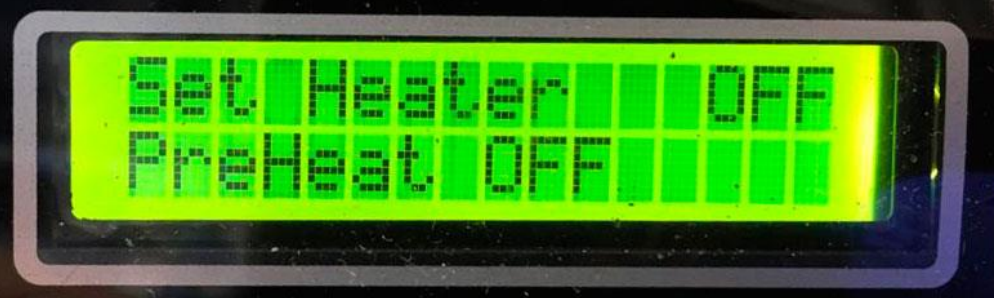
| Pre-heat setting activated | Check if “Pre-heat” or “AUTO HEAT” is enabled | Turn off in the menu |
What I Do
If the machine is stuck in heating mode, I reset the settings and check the connections before turning it back on. If that doesn’t solve it, I begin checking the internal components.
How Can I Check If My Spark Machine’s Temperature Sensor Has Failed?
I’ve encountered several situations where the temperature sensor malfunctioned, causing the spark machine to overheat. This is a common issue, but fortunately, it’s relatively easy to check.
A failed temperature sensor can cause the spark machine to overheat continuously. To check for this, inspect the sensor for visible damage, test it with a multimeter, and look for any error codes indicating temperature failure.
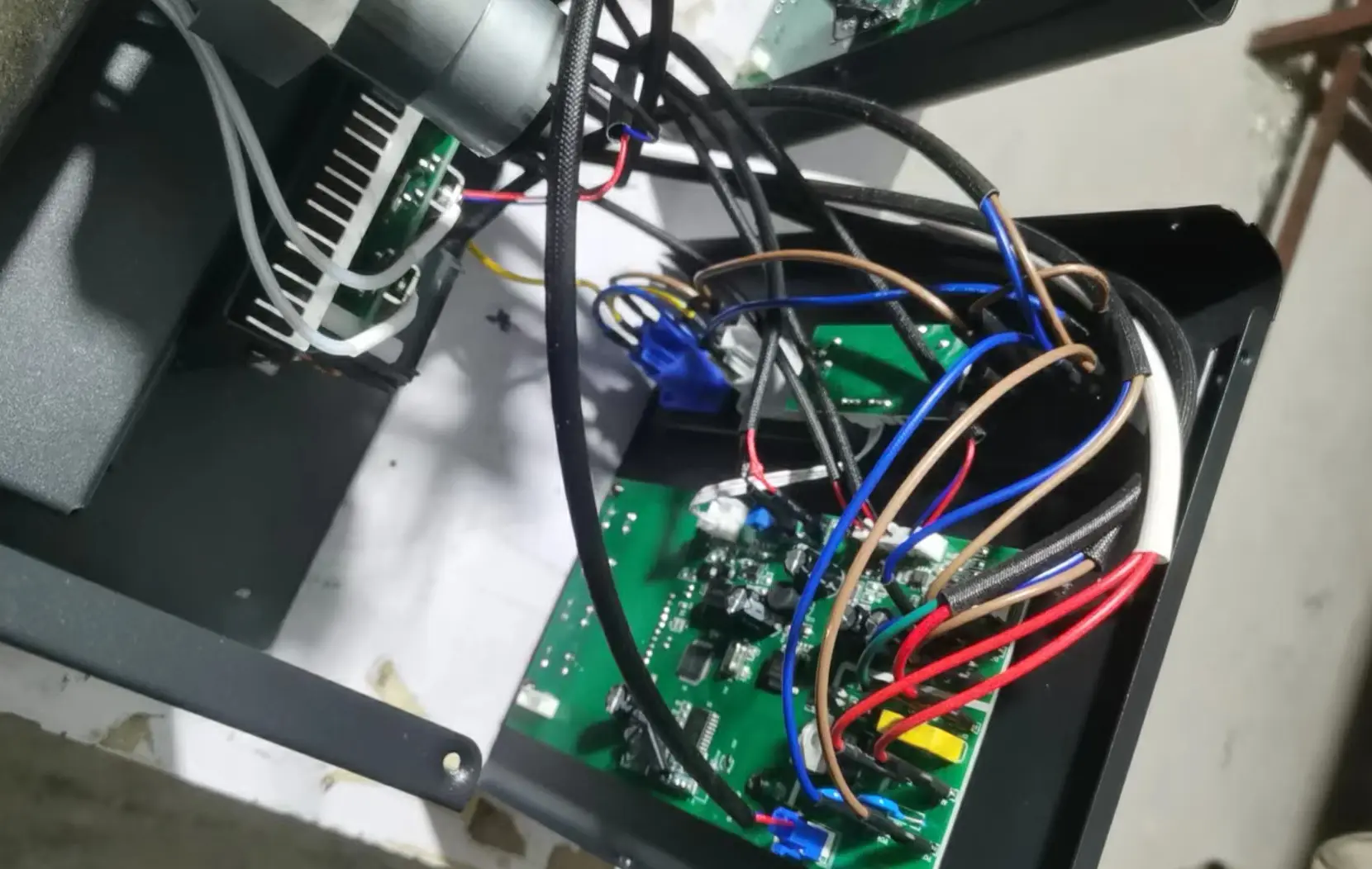
Step-by-Step Process to Test the Temperature Sensor
- Turn off the machine and let it cool completely before inspecting the sensor.
- Locate the sensor in the machine (usually near the heating coil or circuit board).
- Use a multimeter to test the resistance of the sensor. A healthy sensor should read within the manufacturer’s specified range.
- Look for error codes like E2 or E6 on the display, which indicate sensor failure.
Temperature Sensor Testing Table
| Error Code | Description | Solution |
|---|---|---|
| E2/E6 | Temperature sensor failure3 | Replace the sensor4 |
| E3/E5 | Over-temperature detected | Check cooling system |
| No error | Sensor not reading properly | Test or replace sensor |
My Recommendation
If the sensor fails the test, I always replace it with the manufacturer-approved part to ensure accurate readings and safe operation.
What Should I Do When My Spark Machine Won’t Stop Heating After Powering On?
This can be one of the most concerning issues because it might indicate a serious internal fault. I’ve learned that these machines have built-in protections, but sometimes, issues slip through.
If your spark machine won’t stop heating, start by turning it off immediately, checking the settings, and resetting the machine. If it’s still malfunctioning, you might need to inspect the heating element and control circuit.
Steps to Take
- Power off and cool the machine for at least 15 minutes.
- Check the settings for “AUTO HEAT” or “Pre-heat” mode, which might have been inadvertently left on.
- Reset the machine to factory settings, as a software glitch might be causing the issue.
- Inspect the heating element for visible damage or wear that could cause overheating.
Action Checklist Table
| Step | What to Do | Why It Matters |
|---|---|---|
| Check for Pre-heat mode | Turn off AUTO HEAT5 or Pre-heat settings | Prevents continuous heating |
| Reset machine | Follow reset instructions in the manual | Clears software glitches |
| Inspect heating element | Look for damage or short-circuiting | Stops overheating |
What I’ve Found Helpful
In my experience, a faulty control board6 or a stuck fader can cause the machine to continuously heat. I always check for those issues before moving on to more complex fixes.
Can Blocked Nozzles or Wrong Powder Make My Spark Machine Overheat?
At first, I didn’t think nozzles or powder could contribute to overheating, but after troubleshooting, I learned that powder blockages can indeed cause the machine to work harder than necessary, leading to overheating.
Blocked nozzles or using the wrong type of powder can cause the machine to overheat. When powder flow is restricted, the machine might compensate by running the heating element longer, which leads to excessive heat.
Blocked Nozzles
I’ve found that a clogged nozzle7 prevents the powder from flowing properly, causing the machine to overheat as it tries to push the powder through. This makes it important to regularly clean and maintain the nozzles.
Powder Quality
Using incorrect or incompatible powder can affect the machine’s performance and lead to overheating. I always make sure to use the manufacturer’s recommended powder8.
Clogging and Powder Table
| Issue | Cause | Solution |
|---|---|---|
| Blocked nozzles | Clogged powder in the nozzle | Clean or replace the nozzle |
| Wrong powder type | Using non-approved powder | Switch to recommended powder |
| Overheating due to clog | Restricted powder flow | Clean internal components |
My Recommendation
To avoid overheating, I always perform a thorough check of the nozzle and powder quality. Regular maintenance ensures the machine runs efficiently and safely.
Conclusion
Overheating issues in spark machines are usually caused by sensor malfunctions, incorrect settings, or powder blockages. By following a structured troubleshooting process, I can quickly identify and resolve the problem, ensuring smooth operation for the event.
-
Understanding thermostat failure can help you identify issues early and prevent further damage. ↩
-
Learning about control board malfunctions can save you time and money on repairs. ↩
-
Understanding the causes of temperature sensor failure can help you prevent issues and ensure your machine operates safely. ↩
-
Learning the correct procedure for replacing a temperature sensor ensures accurate readings and prolongs the lifespan of your equipment. ↩
-
Understanding AUTO HEAT can help you prevent overheating issues in your machine. ↩
-
Learning about control board problems can save you time and money on repairs. ↩
-
Explore this link to learn effective techniques for unclogging nozzles and ensuring optimal machine performance. ↩
-
Discover the significance of using the right powder for your machine to prevent issues and enhance performance. ↩