
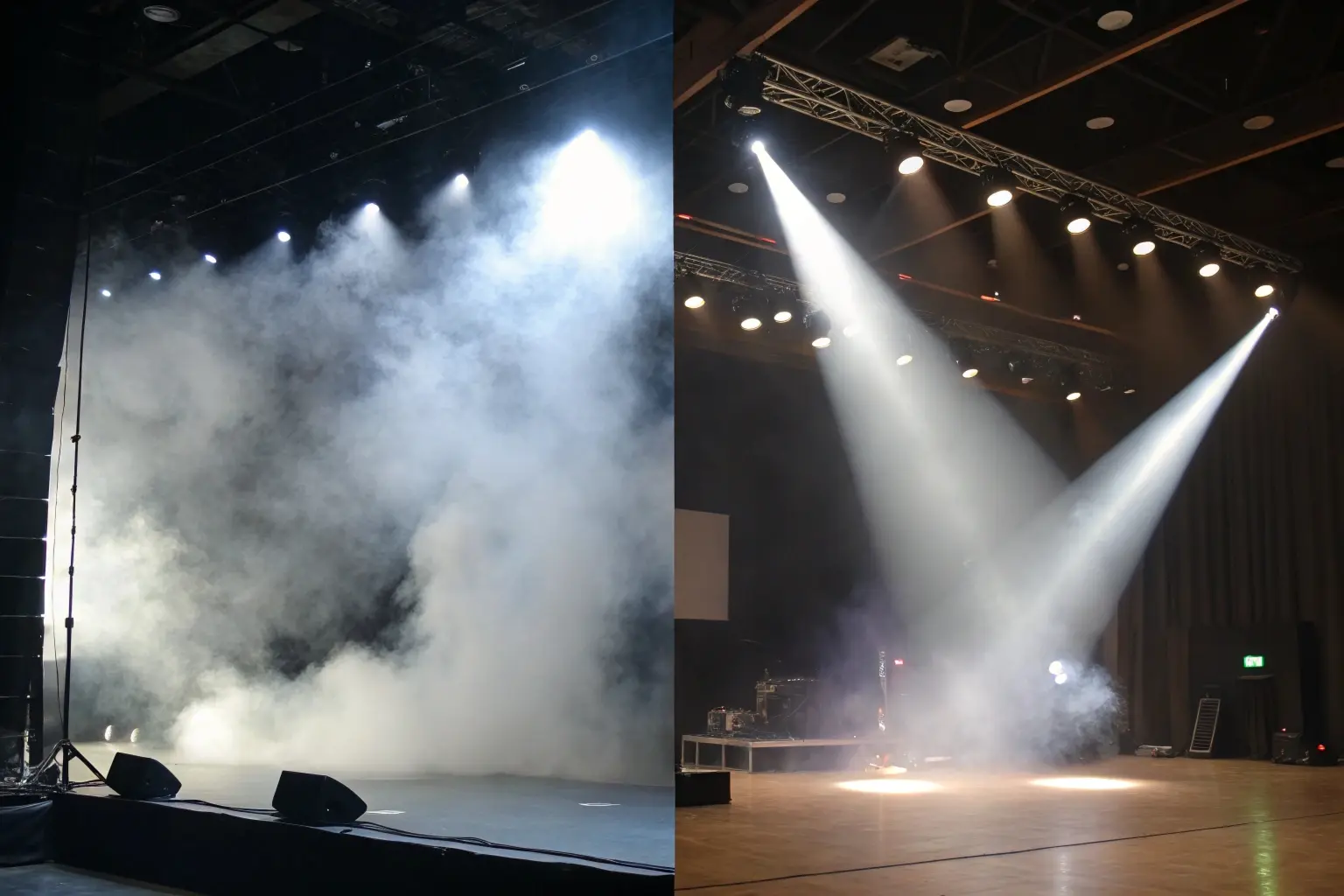
The first time I replaced a fog machine with a hazer at a small concert, I thought the effect would be weaker. It wasn’t. The beams suddenly looked sharper, and the audience could still see the stage clearly.
A haze machine produces a fine, nearly invisible mist that enhances light beams without creating thick clouds, while a fog machine produces dense, highly visible clouds designed for dramatic atmospheric effects. Haze stays suspended longer and maintains visibility, whereas fog spreads quickly and can significantly reduce sightlines.
Effect in the Air
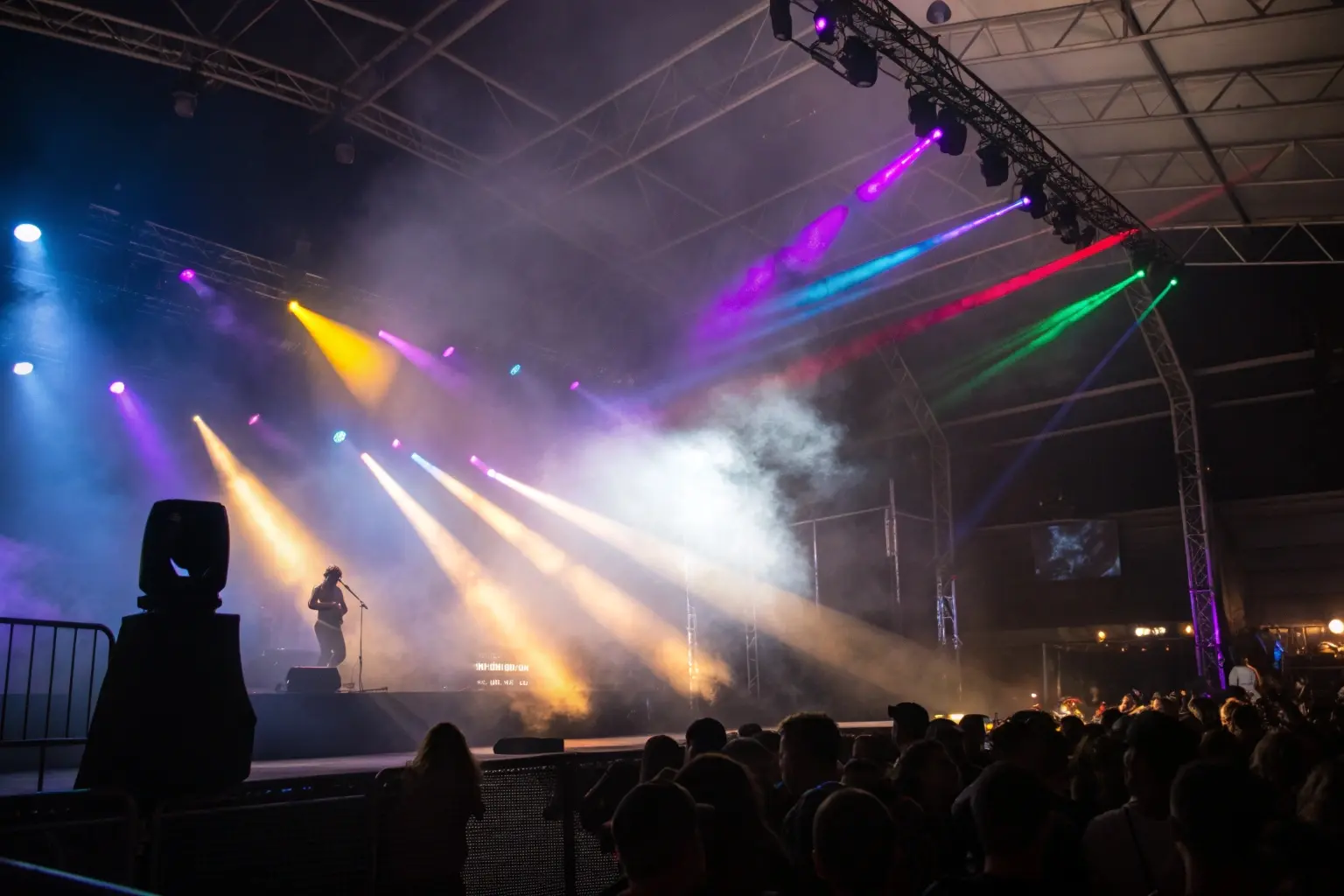
When comparing haze and fog in real venues, the difference becomes obvious the moment lighting hits the air.
Haze
- Fine, translucent mist
- Very small particles
- Long suspension time
- Enhances beams without obvious clouds
- Uniform atmospheric coverage
In lighting shows, haze acts like a “canvas” for beams. It supports the lights rather than becoming the focus.
Fog
- Thick, visible clouds
- Larger particles
- Dissipates faster
- Spreads unevenly depending on airflow
- Can block visibility in enclosed spaces
Fog is visually dominant. It changes the mood immediately but can overpower lighting detail if overused.
Which Is Better, a Fog Machine or a Haze Machine?
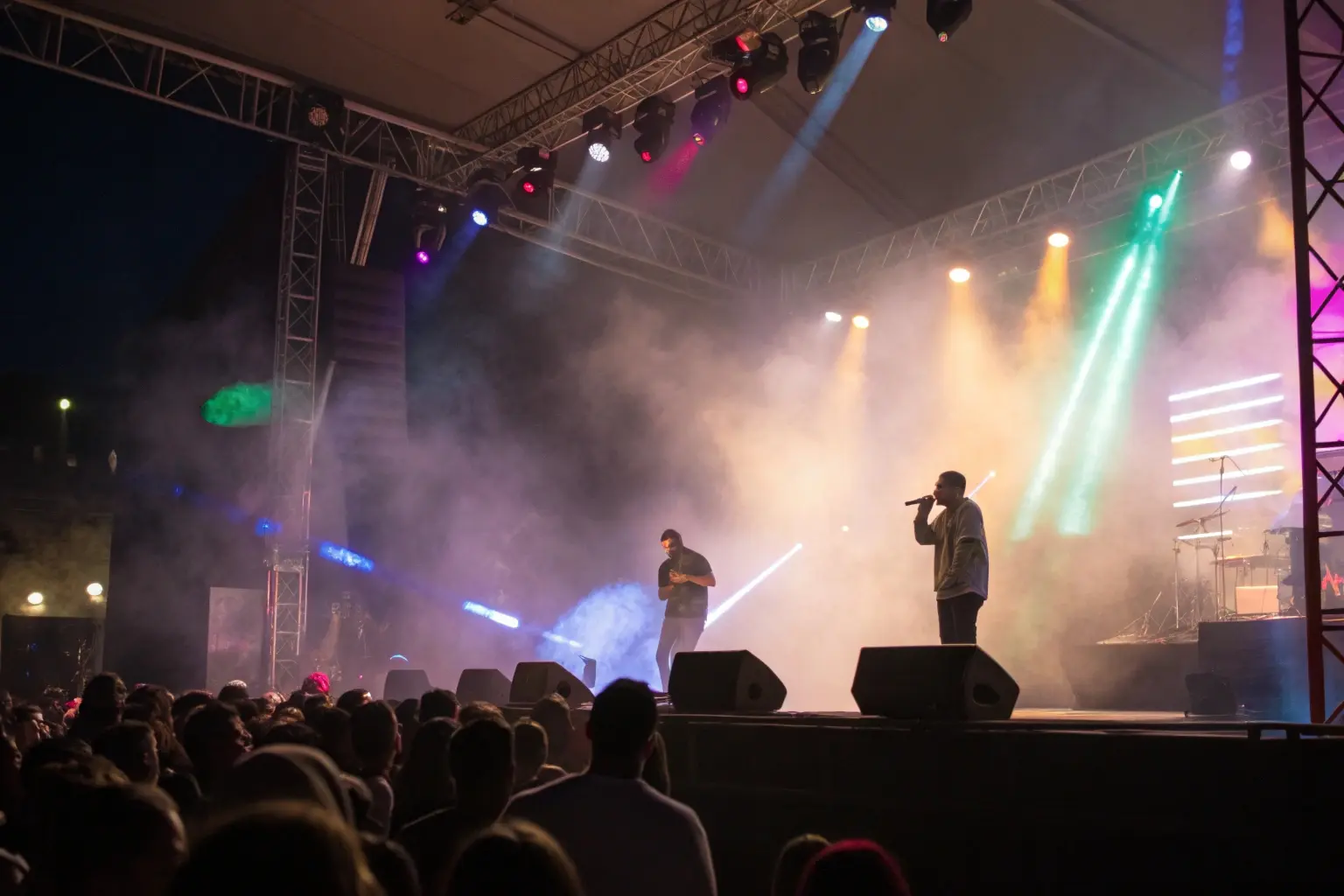
There isn’t a universal “better” option. It depends entirely on the goal.
Choose Haze If:
- The goal is enhancing beams and lasers
- Continuous atmospheric consistency is required
- Visibility must remain clear
- The event is a concert, church service, or theater production
Choose Fog If:
- The effect needs to be dramatic and noticeable
- Short-term special effects are required
- The scene involves entrances, reveals, or spooky atmosphere
- Low-lying cloud effects are desired
In my experience, lighting designers almost always prefer haze. Event planners doing themed parties often prefer fog.
How to Choose Between Haze and Fog for Lighting Shows?
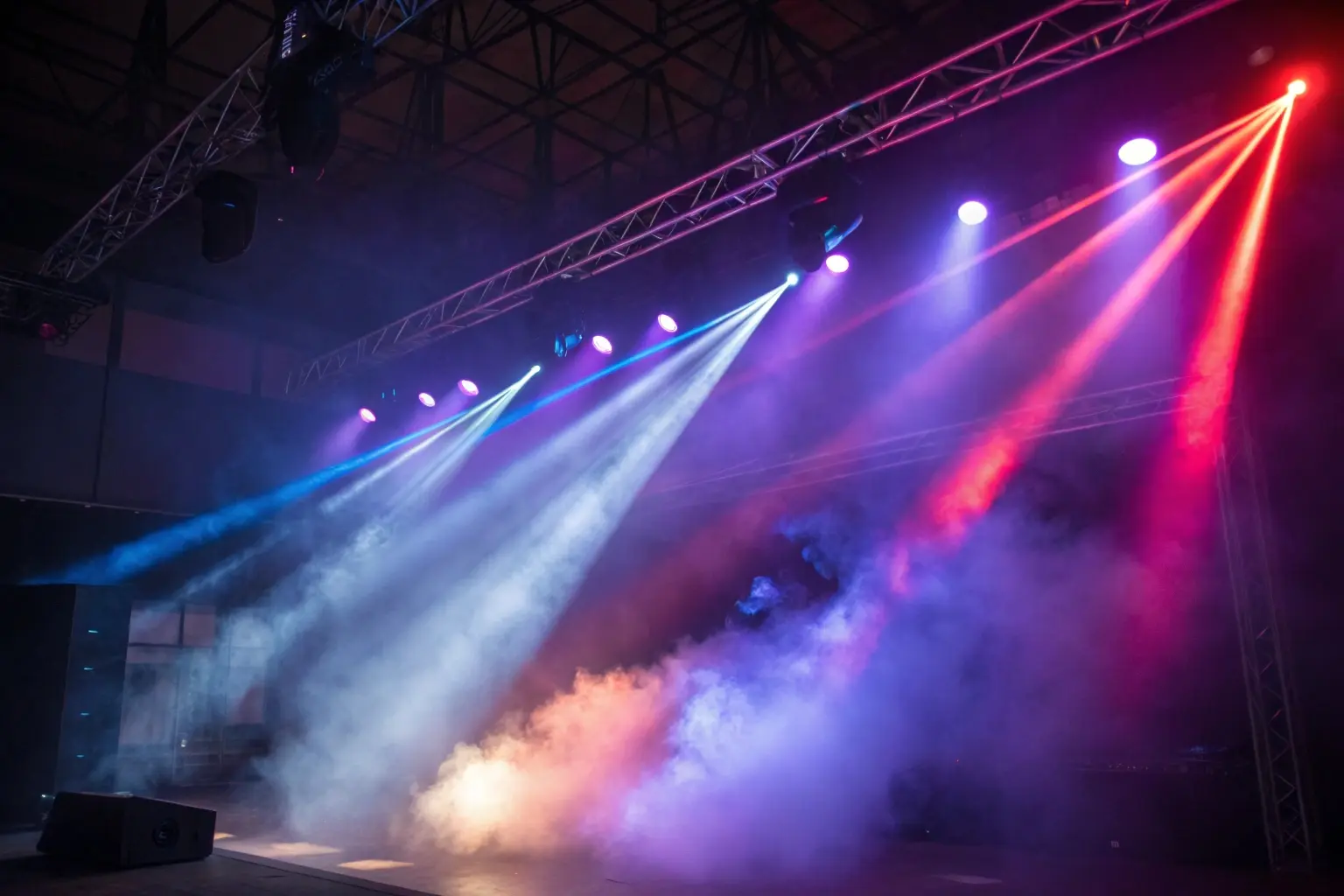
For lighting-focused productions, particle behavior matters more than density.
Key Comparison Table
| Factor | Haze Machine | Fog Machine |
|---|---|---|
| Particle size | Very small | Larger |
| Hang time | Long | Short to medium |
| Output style | Continuous | Burst-based |
| Visibility impact | Minimal | High |
| Beam enhancement | Excellent | Good but inconsistent |
If the lighting design includes moving heads, lasers, or beam effects, haze provides smoother and more consistent results.
Fog, on the other hand, creates strong visual impact but may hide finer lighting details.
What Fluids Are Used in Haze vs Fog Machines?
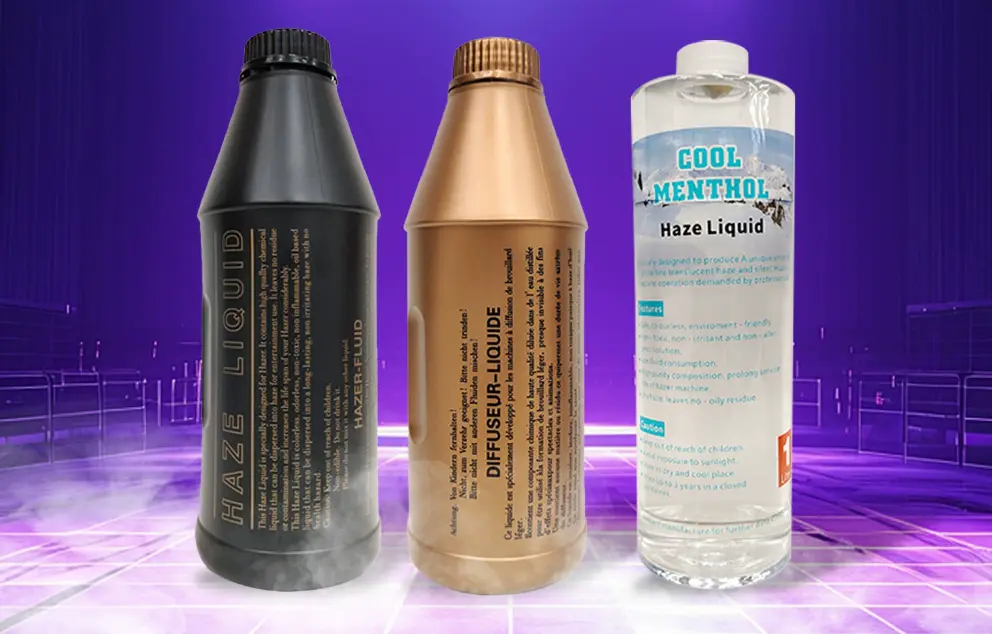
One of the biggest technical differences lies in fluid and hardware design.
Fog Machines
- Use glycol or glycerin-based fog fluid
- Heated block vaporizes fluid
- Produces thick vapor clouds
- Requires reheating cycles
Haze Machines
Haze machines may use:
Water-based haze fluid
- Vaporized through a heated system
- Produces fine particles
Oil-based haze fluid
- Atomized using a compressor
- Extremely smooth, long-lasting haze
Fluid Compatibility Matters
Fluids are not interchangeable.
Using fog fluid in a hazer (or vice versa) can:
- Damage internal components
- Cause clogging
- Reduce output quality
- Create unwanted residue
Practical Differences in Real Use
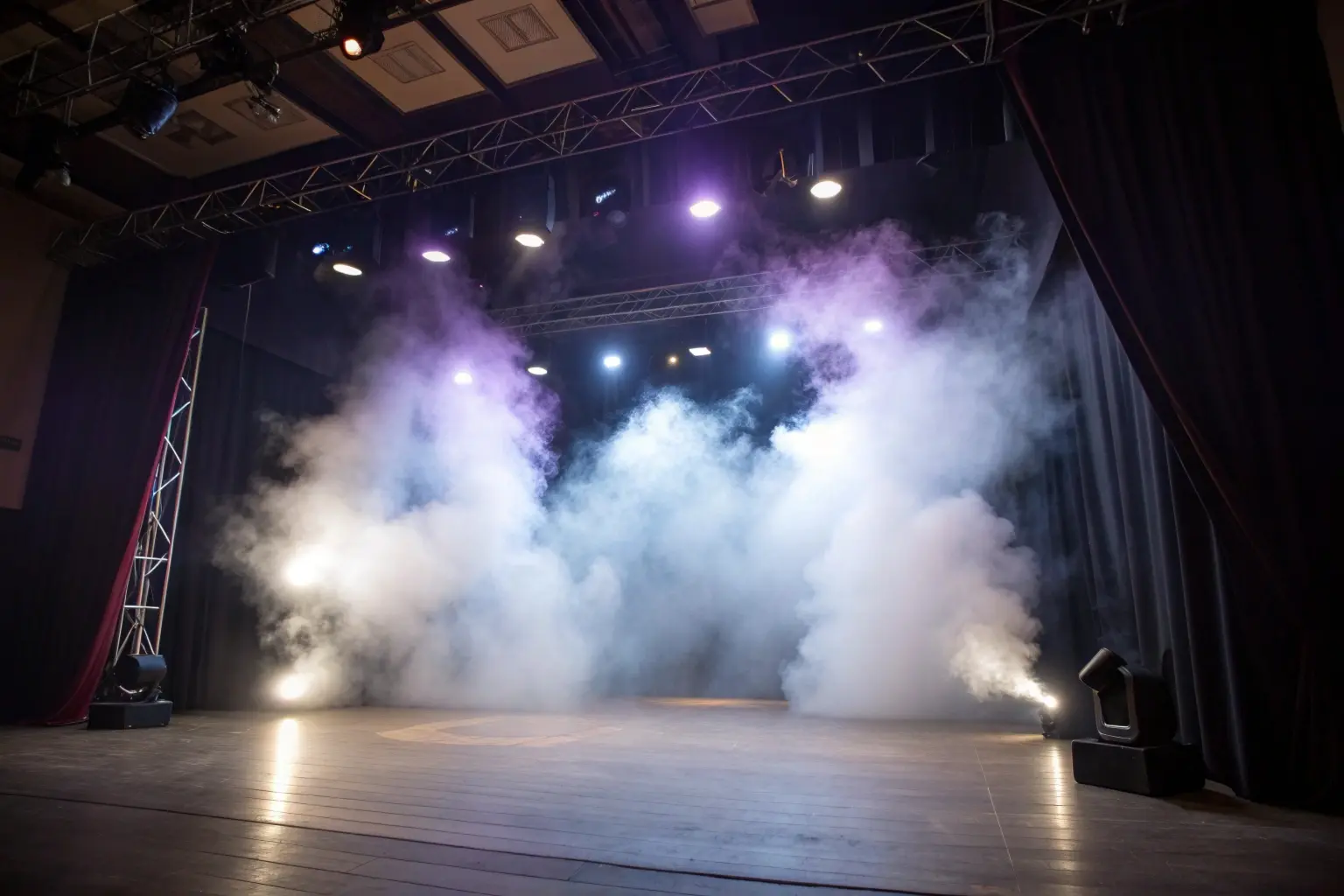
Visibility
- Haze keeps sightlines clear
- Fog can reduce visibility quickly
Output Pattern
- Haze runs continuously at low output
- Fog releases short, dense bursts
Residue and Cleanup
Modern water-based haze systems leave minimal visible residue.
Heavy fog fluids may leave slick deposits and can sometimes trigger smoke alarms if ventilation is poor.
What Are the Best Fog Machines for Events?
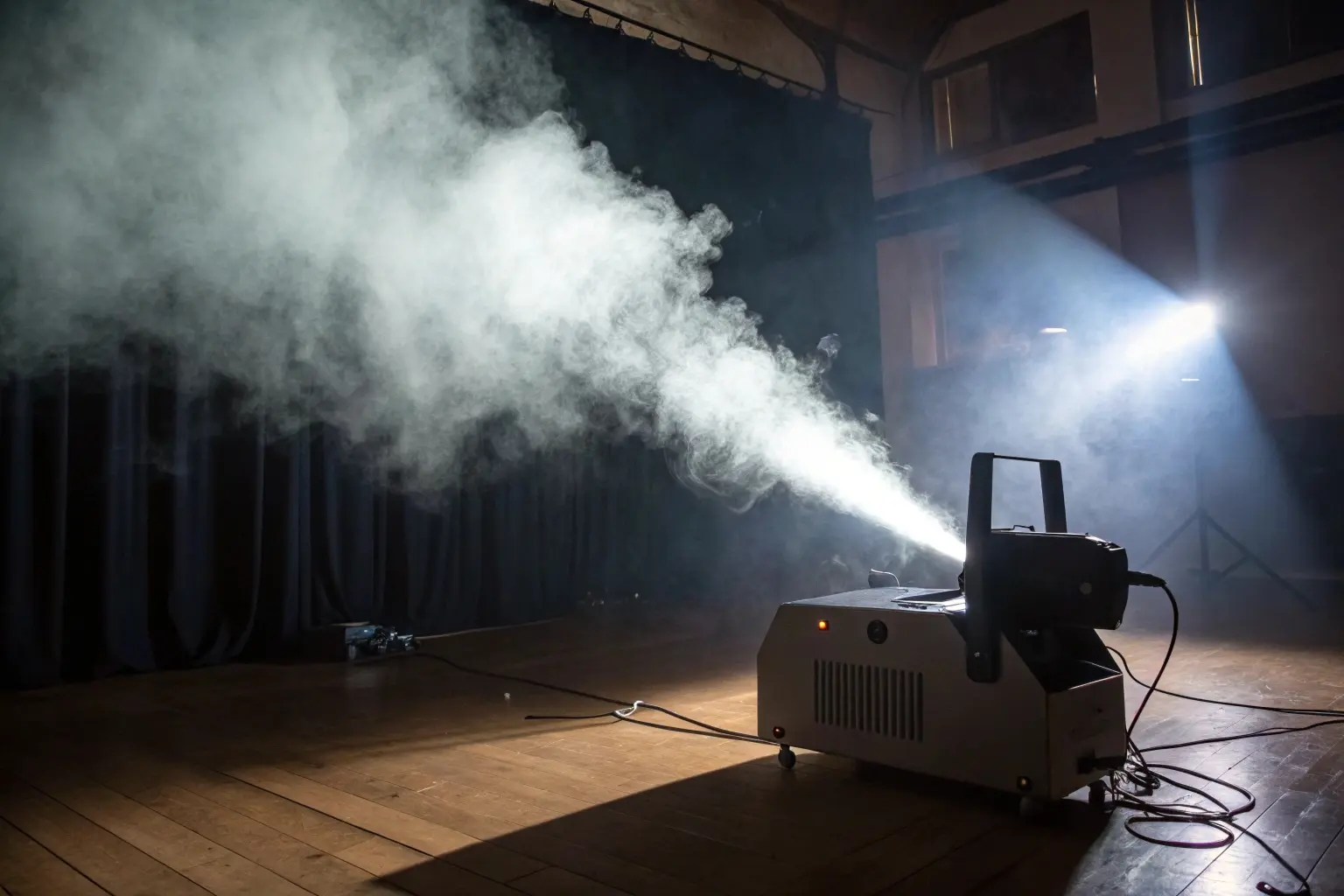
The best fog machine depends on event size and effect intensity.
For Small Events
- Compact units
- Fast warm-up
- Short burst capability
For Large Events
- High-wattage heater block
- Large fluid tank
- DMX control support
For Professional Production
- Reliable reheating cycle
- Adjustable output volume
- Durable internal pump system
From practical setups, high-output units with stable heating systems perform better for large venues, while smaller portable units are sufficient for parties and themed events.
Final Takeaway
A haze machine and a fog machine are built for different creative purposes.
Haze enhances lighting while maintaining visibility and consistency.
Fog creates bold, visible atmosphere for dramatic moments.
Choosing the wrong one does not ruin an event—but it changes the entire visual experience. Understanding particle size, output behavior, and intended use makes the difference between subtle professional lighting and overwhelming visual effects.